WHAT A FITNESS COACH ACTUALLY DOES
A fitness coach helps create structure around your exercise and lifestyle goals.
While many people associate coaching with gym workouts, the role can be much broader. A coach may help you understand what you are currently doing, identify areas that could be improved, and create a plan that matches your experience and goals.
This can be especially useful if you have spent months jumping between different workout programs without knowing whether they are appropriate for you.
A coach can begin by looking at factors such as:
- Goals
- Experience
- Schedule
- Mobility
- Strength
- Habits
- Preferences
- Progress
From there, a training plan can be built around your individual starting point.
Someone who has never exercised consistently may need a very different program from someone who has been lifting weights for several years. Likewise, a person focused on improving strength may need a different approach from someone primarily interested in fat loss, general fitness, or building confidence in the gym.
One of the most important parts of fitness coaching is exercise selection.
There are thousands of exercises available, but more variety does not always mean better results. A well-designed program should include movements that are appropriate for your body, your current abilities, and what you are trying to accomplish.
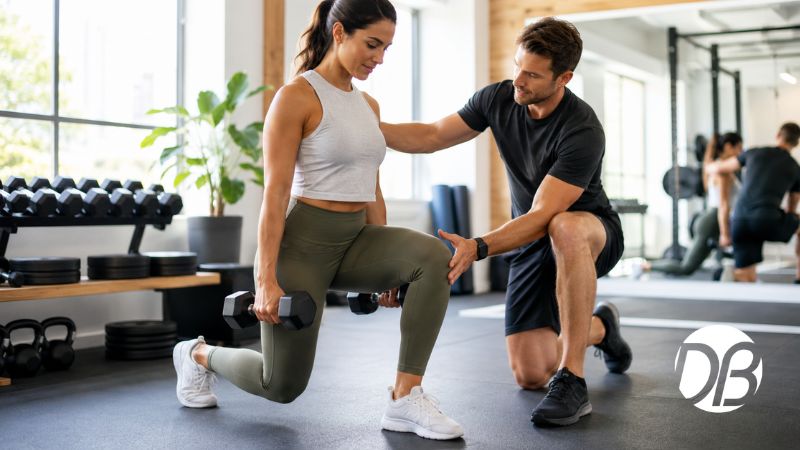
A coach can also help teach proper exercise technique.
Learning how to perform movements safely and efficiently can improve confidence while reducing unnecessary strain. This can be particularly helpful for beginners who may feel intimidated by unfamiliar equipment or uncertain about how exercises should feel.
Programming is another major part of coaching.
Progress usually requires more than repeating the same routine every week. Over time, exercises may need to become more challenging through increased resistance, additional repetitions, different movement variations, or changes in training volume.
This gradual progression helps your program continue providing an appropriate challenge.
Without a plan, it can be easy to do workouts that feel difficult without actually creating consistent progress.
A coach helps connect the individual workouts to the bigger goal.
HOW COACHING CAN IMPROVE CONSISTENCY
Knowing what to do and actually doing it consistently are two very different things.
Many people already understand that exercise, balanced nutrition, sleep, and regular movement are important. The challenge is turning that knowledge into habits that fit into daily life.
This is where accountability can become valuable.
Scheduled coaching sessions create a level of structure that can make it easier to follow through. Instead of deciding each day whether you feel motivated enough to exercise, training becomes part of your routine.
Motivation naturally changes.
There will be weeks when you feel energetic and excited about your goals. There will also be weeks when work becomes stressful, sleep is poor, family responsibilities increase, or exercise simply feels less appealing.
A sustainable fitness routine cannot depend entirely on motivation.
A coach can help you continue making progress during those lower-motivation periods by adjusting expectations and keeping the focus on consistency rather than perfection.
That may mean shortening a workout during a busy week instead of skipping exercise completely.
It may mean reducing training intensity when recovery is poor.
It may also mean changing a routine when boredom begins affecting consistency.
Good coaching should be flexible enough to account for real life.
This can help prevent the all-or-nothing approach that often causes people to quit fitness programs.
For example, missing one workout does not mean the entire week has failed. Eating differently during a social event does not erase weeks of healthy habits. Having a stressful month does not mean you need to start over from the beginning.
Coaching can help keep these situations in perspective.
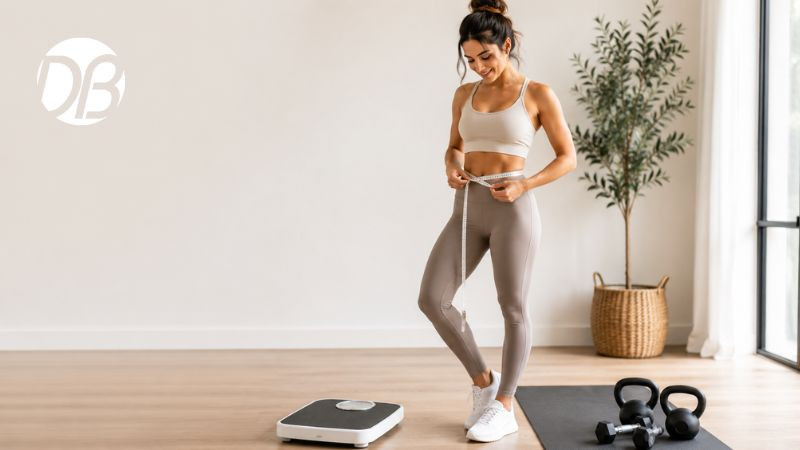
Accountability also includes tracking progress.
Useful measures might include:
- Increased strength
- Improved endurance
- Better movement
- Greater consistency
- Improved energy
- Changes in measurements
- Better exercise confidence
- Body composition changes
These indicators can be especially useful when physical changes happen gradually.
Someone may feel dramatically stronger before seeing a major change on the scale. Another person may notice improved energy and clothing fit even when their body weight changes slowly.
Tracking multiple forms of progress can make the process more encouraging and informative.
HOW TO KNOW IF YOU NEED A FITNESS COACH
Not everyone needs a fitness coach.
Some people are comfortable creating their own workouts, adjusting their programs, and remaining consistent without outside support.
For others, coaching can remove much of the uncertainty that makes fitness frustrating.
You may benefit from a fitness coach if you frequently find yourself asking what you should do at the gym.
Walking into a fitness facility without a plan can lead to random exercise selection. You might move from one machine to another, repeat the same few exercises, or choose workouts based on whatever you saw online that week.
While any movement can have value, a structured program generally provides a clearer path toward specific goals.
Coaching may also help if you have been exercising consistently but have stopped progressing.
The body adapts to repeated training. If your workouts never change, the same routine may eventually stop providing enough challenge.
A coach can evaluate your current program and determine whether exercise selection, intensity, volume, frequency, or recovery should be adjusted.
Another common reason to seek coaching is accountability.
You may already know how to exercise but struggle to follow through consistently. Having scheduled sessions and someone reviewing your progress can make it easier to maintain momentum.
Fitness coaching may be especially useful if:
- You are new to exercise.
- You feel uncomfortable in the gym.
- You are unsure how to structure workouts.
- Your progress has stalled.
- You struggle with consistency.
- Your routine feels repetitive.
- You want more accountability.
- Your goals have changed.
A coach can also be useful during transitions.
For example, someone returning to exercise after a long break may need help rebuilding their routine gradually. Someone who has recently reached a weight loss goal may want to shift toward strength, fitness, or body composition goals.
Your program should evolve as your priorities change.
The important thing is finding an approach that feels realistic.
Fitness coaching should not make you dependent on someone else forever. Ideally, it should help you better understand your body, your training, and the habits that support your goals.
Over time, you should become more confident in the decisions you make around exercise and fitness.
PERSONALIZED FITNESS COACHING WITH DREAMBODY
The right fitness plan should reflect the person following it.
Your schedule, fitness experience, lifestyle, strengths, challenges, and goals are different from everyone else's. That is why generic workout plans can sometimes feel difficult to maintain or fail to produce the results you expected.
At Dreambody, fitness coaching focuses on creating personalized strategies that support realistic, long-term progress.
Coaching can help provide structure around exercise, accountability, goal setting, and healthy lifestyle habits while adjusting the program as your needs change.
Whether you are starting a new fitness routine, trying to become more consistent, working toward fat loss, improving strength, or simply looking for greater confidence in the gym, personalized support can make the process easier to navigate.
The goal is not to create the hardest possible program.
It is to create one that challenges you appropriately and fits into your real life.
With the right structure and support, fitness can become something you maintain rather than something you repeatedly start and stop.
If you are wondering whether personalized coaching could help you reach your goals, contact Dreambody to learn more about fitness coaching and discover a plan built around your individual needs.
FAQs
Q: WHAT DOES A FITNESS COACH HELP WITH?
A: A fitness coach can help with goal setting, workout structure, exercise technique, accountability, progress tracking, and making adjustments as your fitness level changes. Coaching can also help create routines that fit your lifestyle and are easier to maintain consistently.
Q: HOW DO I KNOW IF I NEED A FITNESS COACH?
A: You may benefit from a fitness coach if you are unsure how to structure your workouts, struggle with consistency, feel stuck in your progress, or want more accountability. Personalized coaching can also be helpful when you are starting a new routine or changing your fitness goals.
Q: IS FITNESS COACHING ONLY FOR BEGINNERS?
A: No. Fitness coaching can support beginners as well as experienced individuals who want more structure, progression, accountability, or a fresh approach to training. Dreambody can tailor coaching to your current experience, lifestyle, and individual goals.