The Benefits of Working Out on Your Own
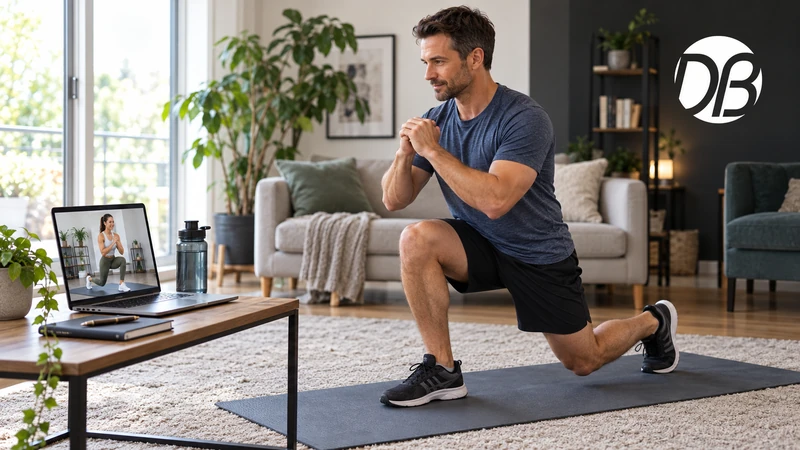
Working out independently is often the first step many people take toward improving their health. It offers flexibility, convenience, and complete control over your schedule. Whether exercising at a commercial gym, using home equipment, or following online workouts, many individuals appreciate being able to train whenever it fits into their day.
One of the biggest advantages of working out alone is flexibility. There are no appointments to keep, and you can choose exercises, workout lengths, and training styles that match your preferences. For experienced gym-goers who understand proper exercise technique and program design, independent training can be an effective way to maintain fitness.
Working out alone may also cost less than hiring a personal trainer. Once you have access to a gym or basic equipment, ongoing expenses are relatively low compared to individualized coaching.
However, exercising independently also comes with several challenges. Many people struggle to create balanced workout programs that continue producing results over time. Others repeat the same exercises week after week, eventually reaching plateaus because their bodies adapt to repetitive routines.
Common challenges of working out alone include:
- Lack of accountability
- Inconsistent workout schedules
- Poor exercise technique
- Difficulty progressing workouts
- Reduced motivation
- Increased risk of injury
- Uncertainty about nutrition and recovery
Another common issue is information overload. Social media, fitness influencers, and online videos often provide conflicting advice that makes it difficult to know which strategies are supported by evidence and which are simply trends.
Without expert guidance, many individuals spend months working hard without making meaningful progress because they are following programs that are not suited to their goals or fitness level.
How Personal Training Improves Results
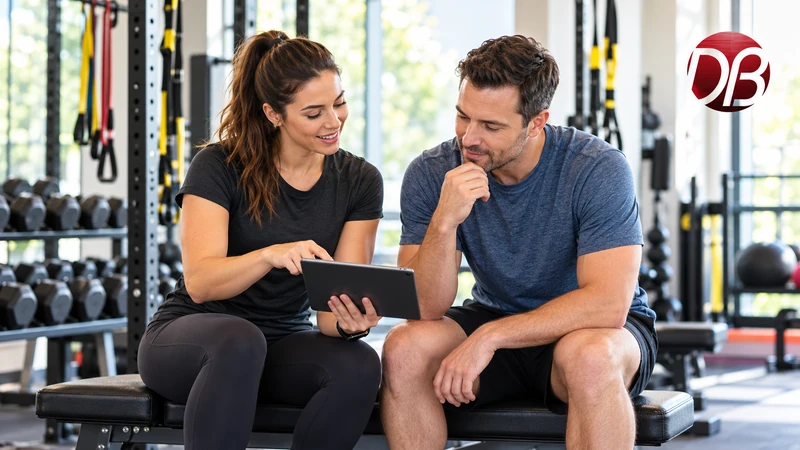
Personal training provides much more than someone counting repetitions during a workout. A qualified personal trainer develops a structured plan based on your current fitness level, health history, experience, limitations, and long-term objectives.
Every program is designed to help you progress safely while reducing unnecessary trial and error.
A personal trainer typically helps with:
- Individual fitness assessments
- Customized workout programming
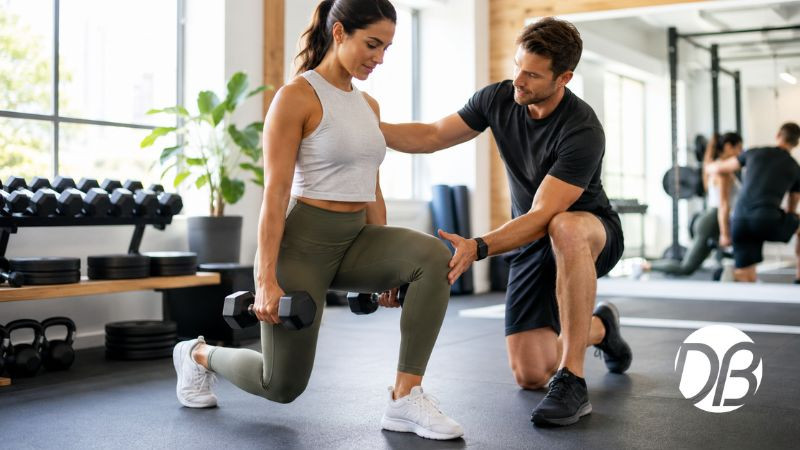
- Proper exercise instruction
- Progressive strength development
- Goal setting
- Accountability
- Motivation
- Exercise modifications when needed
One of the biggest advantages of personal training is accountability. Knowing someone is expecting you at each session often improves consistency, which remains one of the strongest predictors of long-term success.
Personal trainers also monitor progress objectively. Instead of relying only on body weight, they may evaluate improvements in strength, endurance, mobility, posture, body composition, flexibility, and overall performance.
Proper exercise technique is another major benefit. Performing exercises incorrectly can reduce effectiveness while increasing the likelihood of discomfort or injury. Learning correct movement patterns early allows individuals to train more efficiently and confidently.
Progressive programming also plays an important role. Rather than repeating identical workouts every week, personal trainers make adjustments as your body becomes stronger and more conditioned.
This progression may include:
- Increasing resistance
- Improving exercise complexity
- Adjusting repetitions and sets
- Introducing new movements
- Modifying recovery periods
- Balancing strength and cardiovascular training
Because every individual responds differently to exercise, personalized coaching often produces more consistent improvements than generic online programs.
Many people also find that working with a trainer increases confidence inside the gym. Instead of feeling uncertain about equipment or exercise selection, they develop the knowledge and skills needed to continue training successfully on their own.
Which Option Is Right for You?
The best choice depends on your goals, experience level, motivation, and the type of support you need to stay consistent. Some individuals are highly self-motivated and enjoy planning their own workouts, while others benefit from the structure and accountability that personal training provides.
Working out independently may be a good option if you:
- Already understand proper exercise technique
- Can consistently follow a structured program
- Feel confident using gym equipment
- Stay motivated without external accountability
- Have realistic fitness expectations
Personal training may be the better investment if you:
- Are new to exercise
- Want faster and more efficient progress
- Have experienced repeated workout plateaus
- Need accountability to stay consistent
- Want to improve confidence in the gym
- Are recovering from previous injuries
- Have specific weight loss or strength goals
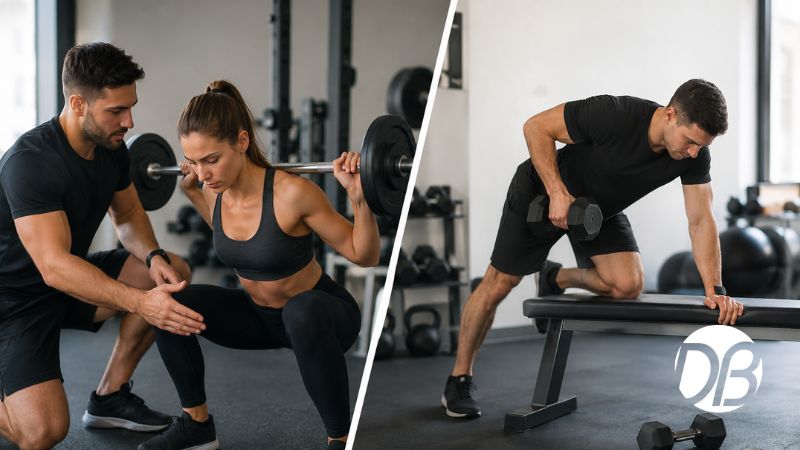
Many people also choose a combination of both approaches. They work with a personal trainer periodically to learn proper techniques, update their program, and stay accountable while completing independent workouts between scheduled sessions.
Ultimately, long-term success is built on consistency rather than perfection. The most effective fitness program is the one you can maintain safely while continuing to challenge yourself over time.
Professional guidance can remove much of the guesswork that often slows progress. Instead of spending months experimenting with different routines, a personalized training plan provides a clear path toward measurable improvements.
Whether your goal is weight loss, increased strength, improved mobility, better athletic performance, or simply building healthier habits, working with an experienced trainer can provide the education and support needed to stay on track.
DreamBody offers personalized personal training designed around your unique goals, experience level, and lifestyle. Contact our team today to learn how individualized coaching can help you achieve lasting fitness results.
FAQs
Q: Is personal training worth it for beginners?
A: Yes. Beginners often benefit the most from personal training because they learn proper exercise technique, build confidence using equipment, and develop a structured program that supports safe and steady progress.
Q: Can I still get good results working out on my own?
A: Absolutely. Individuals who understand proper exercise programming, remain consistent, and progressively challenge themselves can achieve excellent results independently. However, many people find that personal training helps them reach their goals more efficiently.
Q: How often should I work with a personal trainer?
A: The ideal frequency depends on your goals, experience, and schedule. Some people train with a personal trainer multiple times each week, while others schedule occasional sessions to update their program, improve technique, and maintain accountability.